Is Marlborough Sauvignon Blanc Dry Or Sweet At A Winery Tasting?
Marlborough Sauvignon Blanc is almost always made dry, and the fruit sweetness you taste is aroma rather than sugar. Here is how to read the style on a wine tour tasting.
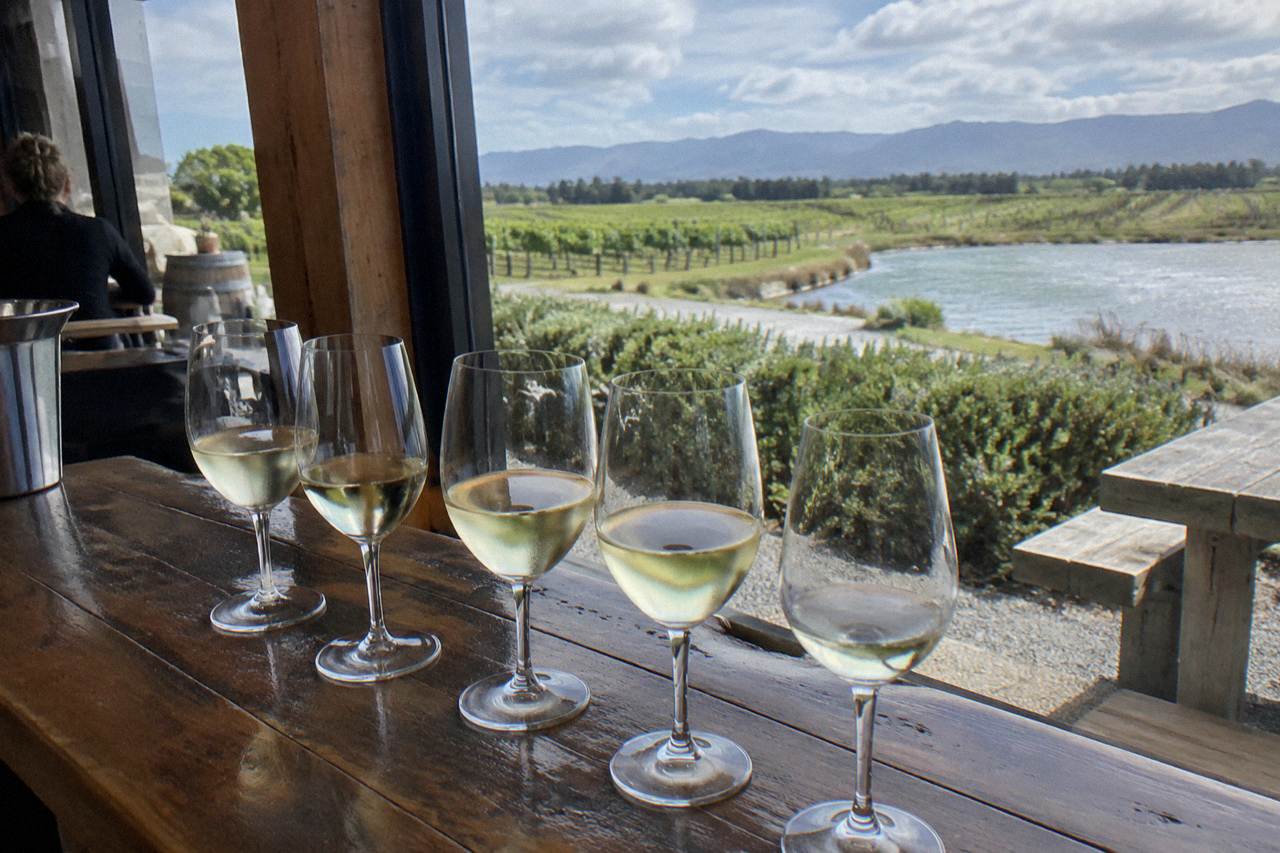
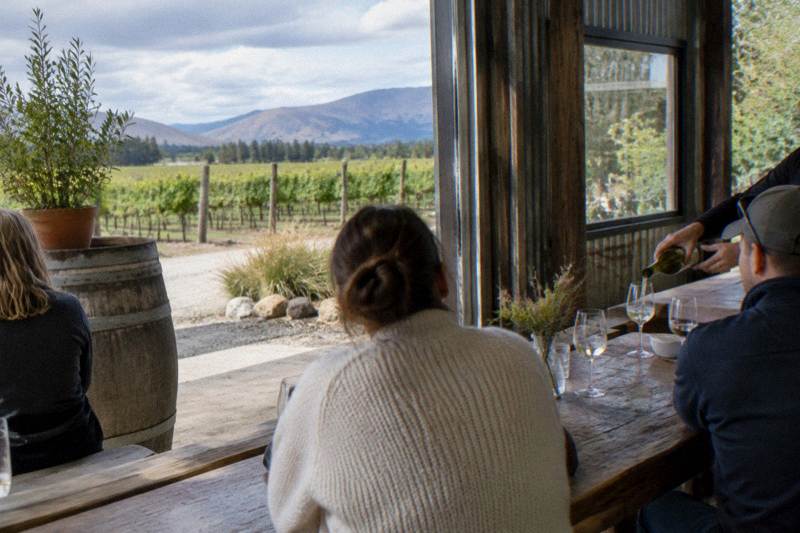
Marlborough Sauvignon Blanc is almost always dry. The grapes are fermented until the natural sugar is gone, and what tastes like ripe passionfruit or sweetness is actually aroma carried by the cool-climate fruit. A tasting room may pour styles from crisp and grassy to richer barrel-aged versions, but the sugar level stays firmly in dry territory.
That single distinction is the most useful thing to walk into a Marlborough cellar door knowing. Sauvignon Blanc as a variety is naturally inclined toward dryness: winemakers ferment the juice until yeast has consumed the sugars, leaving a wine that reads crisp and refreshing on the palate. What trips many first-time tasters up is that Marlborough's version of the grape is explosively aromatic. The gooseberry, passionfruit and fresh-cut grass notes hit the nose so hard that the brain interprets them as sweetness, even when the wine itself is dry.
The region behind those flavours is enormous. Marlborough carries about 32,000 hectares of planted vines, 73 percent of New Zealand's entire vineyard area according to New Zealand Winegrowers figures, and Sauvignon Blanc alone fills 85 percent of those plantings, according to Wine Marlborough. More than 80 percent of Marlborough wine is exported. When a tasting room host pours a glass and mentions the Wairau Valley gravels or the wind-scoured Awatere, they are explaining the same story: where the grape grows shapes how the dry wine smells and tastes.
None of this requires expert knowledge before you go. A guided tasting walks you through exactly these differences, glass by glass, and the half-day options from Blenheim are built around them. The Marlborough Classic Wine Tasting Tour runs five hours from Blenheim with tastings included, from $109.20 per person, rated 5.0 across 41 reviews. Check availability
For a broader sense of how the formats compare, the half-day tours measured against each other cover duration, group size and what is poured.
What Does Dry Actually Mean On A Marlborough Wine Tour?
Dry means the fermentation finished: yeast consumed the grape sugars and left no perceptible sweetness behind. Sweeter wine styles stop that process early or add sugar later. Marlborough Sauvignon Blanc is fermented to dryness as standard practice, so the label, the host and the palate all agree: this is a dry wine, whatever the tropical aromas suggest.
Fermentation is the whole story here. Grape juice starts dense with natural sugars, and yeast converts that sugar into alcohol. Let the yeast run its course and the result is a wine with negligible residual sugar, which is the technical term for what is left unfermented. Most still Sauvignon Blanc around the world, and most Marlborough examples poured at cellar doors, is made dry or close to it. The winemaker's decisions around harvest timing, yeast strains and steel or oak handling all shape flavour and texture, but they do not add sugar to the finished glass.
- Bike And Self-Guided$39
- Half-Day Wine Tours$109
- Picton And Cruise-Ship$114.37
- Full-Day Wine Tours$143.68
- Private And Gourmet$336
Sweet wines do exist in the wine world, and New Zealand makes some of them, but they are deliberate styles: late-harvest rieslings, botrytis-affected dessert wines and the occasional off-dry aromatics. They are not what Marlborough Sauvignon Blanc is. When a host at a tasting room describes a pour as riper or more tropical than the last one, they are describing fruit character from a warmer site or a later pick, not a sweeter wine. Two glasses can sit side by side, one tasting like lime zest and one like ripe mango, and both can measure identically dry.
The practical payoff on tour day is confidence. You can taste your way through a flight of Marlborough Sauvignon Blancs, enjoy the sweep from herbal to tropical, and never wonder whether you have drifted into dessert territory. Tastings are included on 24 of the 32 tours covered here, so on most of them the pours arrive as part of the fare rather than an extra cost at the counter. Free cancellation up to 24 hours before the start for a full refund is stated on all 32 booking pages, so a change of plans does not strand the tasting budget.
If the question of style has you ready to taste rather than just read, the half-day options from Blenheim are the natural starting point. They run three and a half to five hours and they pour multiple producers.
Why Does Marlborough Sauvignon Blanc Taste So Aromatic?
The aromatics come from climate and soil, not sugar. Marlborough sits in a maritime climate with about 2,500 sunshine hours a year, a day-to-night summer temperature range of about 11 degrees, and free-draining Wairau Valley gravels. Cool nights lock in the acids and the volatile compounds that give the wine its signature punch of gooseberry and passionfruit.
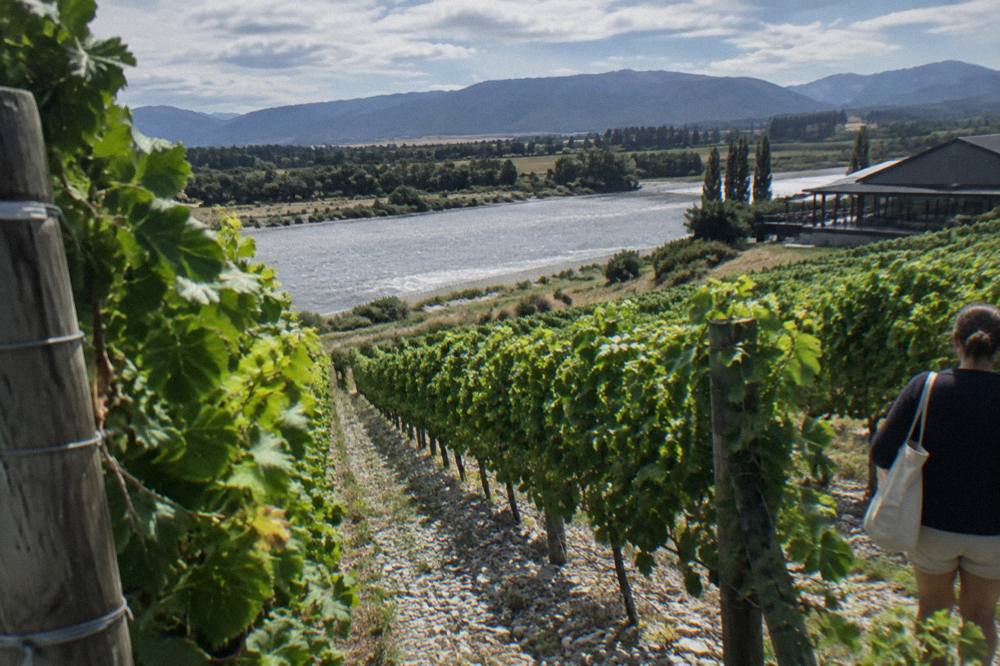
Wine Marlborough's own climate summaries describe a region wedged between Cook Strait and the Pacific, sheltered by mountains, receiving about 649 mm of rain a year. Those are grape-growing conditions that stretch ripening out slowly. Long, bright days build flavour in the fruit while cold nights halt the ripening clock and preserve acidity. The compounds responsible for Sauvignon Blanc's aromatics develop and survive best under exactly that swing, which is the day-to-night range of roughly 11 degrees the region records in summer.
The land does the rest. The Wairau Valley, the largest and most planted of Marlborough's three subregions, runs along a braided river, with Central Wairau around Rapaura and Renwick sitting on free-draining gravels that stress the vines just enough to concentrate flavour. Lower Wairau is cooler and more maritime; Upper Wairau cooler and more continental. The Southern Valleys hold around a fifth of Marlborough's vineyards across varied soils, and the Awatere and South Marlborough country is, in Wine Marlborough's words, cooler, drier and windier than anywhere else in the region. Wairau translates from Maori as "many waters" and Awatere as "fast flowing stream", names that hint at how much geography shapes what ends up in the glass. To see how these pockets of land fit into the bigger picture, the guide to what the Marlborough wine region is known for covers the history, the fame of its Sauvignon Blanc and how to tour the area.
This is why the dry-or-sweet confusion is so common in Marlborough specifically. Aroma and taste are processed together, and a wine that smells like canned pineapple and elderflower arrives at the palate pre-loaded with sweetness expectation. Hosts at cellar doors see it constantly: a guest swirls, sniffs, and asks how much sugar is in there. The answer, delivered with a smile at tasting rooms across the region, is essentially none. The Wine Marlborough subregion guides walk through the same geography if you want the fuller picture before a visit.
How Do Marlborough Tasting Rooms Show Different Sauvignon Blanc Styles?
Expect a spread within dryness: steel-fermented wines that taste of lime and cut grass, riper examples with passionfruit weight, and the occasional barrel-aged or wild-ferment style with texture and spice. Opening hours differ per winery and season, and many cellar doors cut their hours in winter, so a guided tour sequences the stops for you.
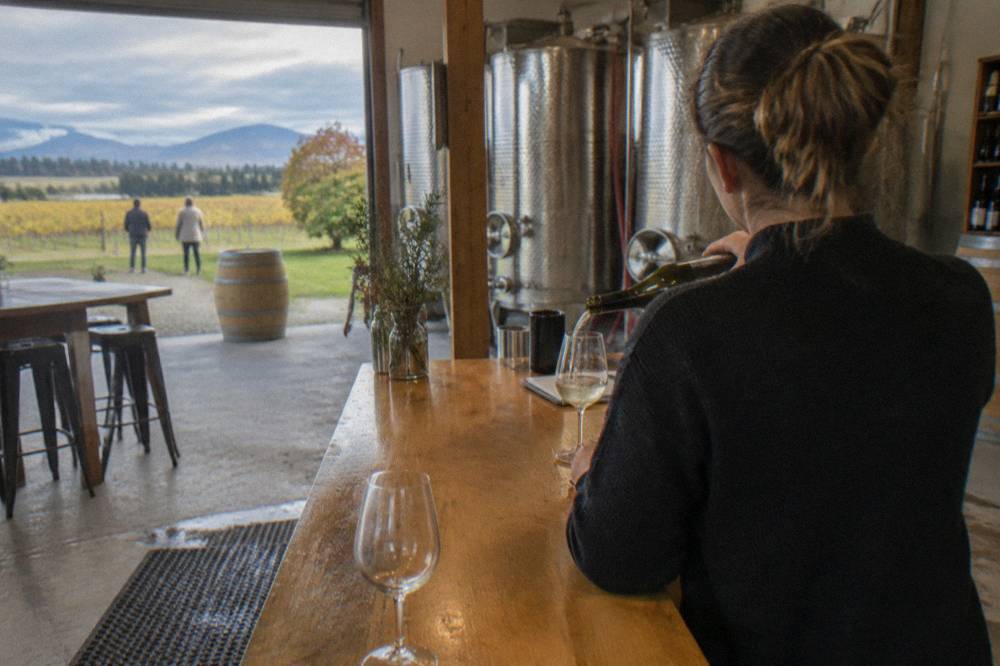
The standard Marlborough pour is tank-fermented in cool stainless steel, made to capture the variety's fresh edge: grapefruit pith, snow pea, herbs and a snap of acidity. It is the style that built the region's export reputation and still fills most glasses. Around it sit the variations a tasting flight is designed to reveal. A producer might pick earlier for a leaner, more herbal wine, or later for riper tropical notes, both from the same dry playbook. A smaller set of winemakers use older oak barrels or wild yeasts, building a Sauvignon Blanc with more texture and savoury depth, and these often convert visitors who thought they did not like the variety. The rest of the planning pages sit on Marlborough Wine Tour.
A good tasting moves through those styles in sequence, and that sequencing is something guided formats do well. The Taste the Valley tour from Blenheim runs five hours with tastings included across four wineries, from $109.20 per person, rated 4.9 across 65 reviews. Its small-group cap of 11 keeps the counter conversation going, which is where most of the style education actually happens.
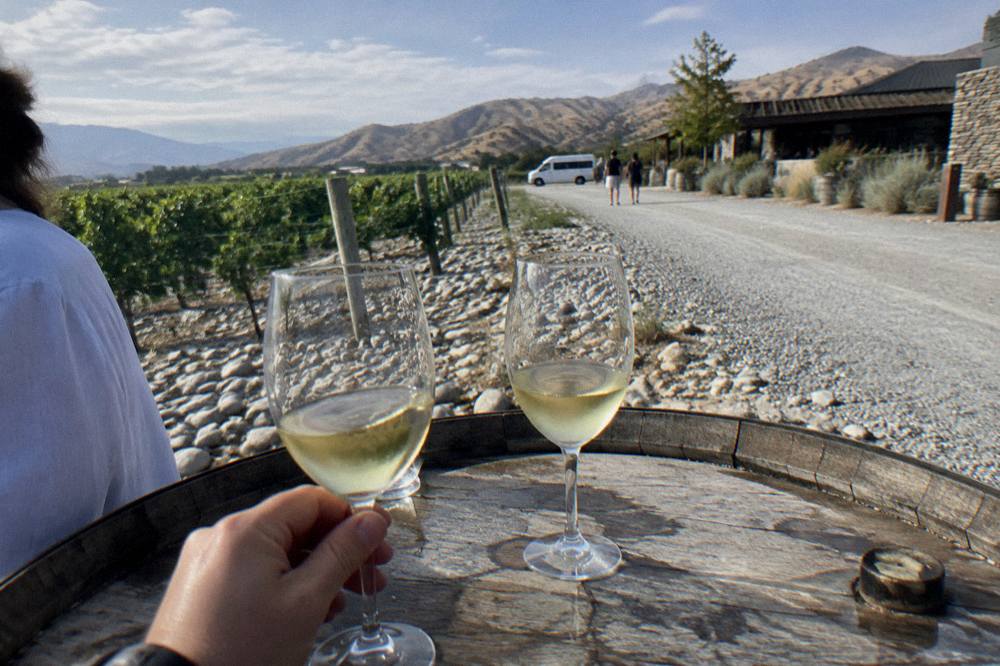
Asking questions is the whole point of a hosted tasting. Two questions unlock a lot: ask where the fruit was grown, since a Wairau pour beside an Awatere pour shows the subregion difference vividly, and ask how the wine was fermented, since the answer explains the texture difference between a bright steel wine and a richer barrel-influenced one. Hosts in the region field these questions all day and generally enjoy the conversation. The legal purchase age in New Zealand is 18, and several tours state that minimum age on their pages, so check before booking for a mixed group.
Which Marlborough Wine Tours Include The Tastings That Show The Style?
Tastings are included on 24 of the 32 tours covered here, morning-only on one, and not included on the self-guided bike hire from Renwick, where you pay cellar doors directly. Half-day guided tours from Blenheim run from $109 per person, and every booking page states free cancellation up to 24 hours before the start for a full refund.
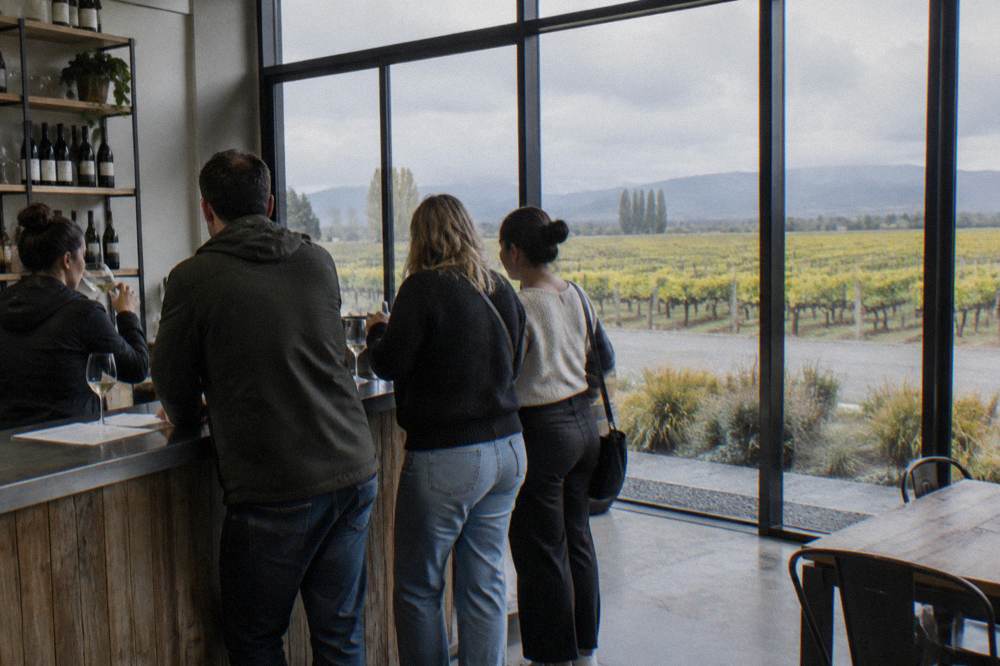
The format you choose shapes how much style comparison you get. A four-winery half-day pours more producers than a two-stop afternoon, and a guided host narrates the differences between them. The table below pulls a representative slice of the included-tasting formats across durations and start points, using the figures on each tour's own page.
| Tour | Start | Duration | Price from | Tastings | Group max |
|---|---|---|---|---|---|
| Marlborough Classic Wine Tasting Tour | Blenheim | 5 hours | $109.20 per person | Included | 9 |
| Taste the Valley Wine Tour | Blenheim | 5 hours | $109.20 per person | Included | 11 |
| Afternoon Marlborough Region Winery Tour inc 4 Wineries | Picton | 4 hours | $120.69 per person | Included | 11 |
| Winemakers Tour in Marlborough | Blenheim | 6 hours 30 minutes | $143.68 per person | Included | 11 |
| Beyond the Vines Full-Day Small-Group Tour | Blenheim | 6 hours | $143.68 per person | Included | 11 |
| Half-Day Wine Tour from Picton | Picton | 3 hours | $114.37 per person | Included | 20 |
Ratings back up the experience at several of these. Beyond the Vines is the most reviewed tour on the books at 4.9 across 482 reviews, the Winemakers Tour holds 5.0 across 337, and the smaller Classic Wine Tasting Tour's 5.0 across 41 reviews reflects a compact operation. Price differences between formats track duration and inclusions rather than quality of wine, so a $109 half-day pours serious Sauvignon Blanc alongside its pricier full-day cousins. For a fuller cost picture, the breakdown of what a Marlborough wine tour costs covers where the money goes.
For travellers weighing self-guided options, the bike formats are the cheapest way into the region, from $39 per person for full-day self-guided hire, but tastings at each cellar door are paid separately on those, and the pacing is entirely your own. The trade-offs are laid out in the guided tour versus self-drive comparison.
Do Blenheim And Picton Tours Pour The Same Wines?
Yes, essentially: tours from both towns pour Marlborough wines, and most cellar doors cluster in the Wairau Valley a short drive from either start point. The difference is timing, with Picton tours spending part of their day on the drive up from the port, and Blenheim tours starting closer to the vines.
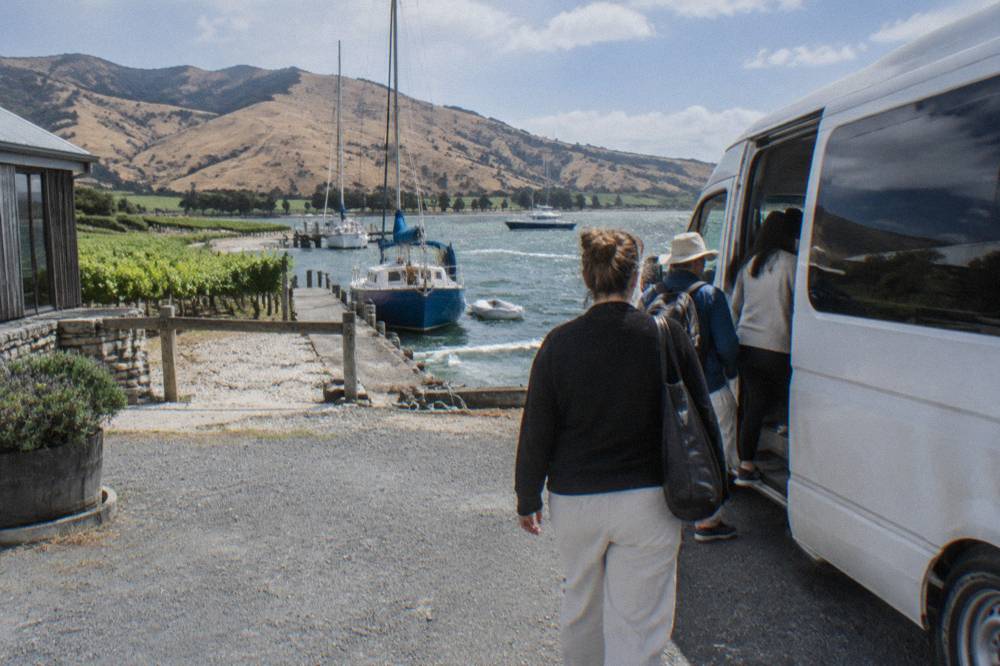
Blenheim sits in the middle of wine country, so its tours reach cellar doors within minutes and can stack four or five stops into a half-day. Picton tours cover the same valley, starting from the port. The Sounds Connection Half-Day Wine Tour from Picton runs three hours from $114.37 per person, rated 4.9 across 162 reviews, while its full-day Picton version runs seven hours from $158.05 and lists six to seven wineries.
Cruise passengers face the tightest version of this maths. The Picton cruise season runs more than 30 ship calls between mid November and early April, ships berth at Waimahara Wharf in Shakespeare Bay or Waitohi Wharf in Picton Harbour, and a day in port runs roughly from early morning to late afternoon. Shore excursion formats are built for that window, such as the Shore Excursion Marlborough Wine Region Tour from Picton, five and a half hours from $149.43 per person, rated 4.9 across 80 reviews. No listing guarantees a return time to the ship, so the cruise shore excursion options from Picton are worth reading before booking.
What does not change between start points is the wine in the glass. Whether a tasting flight begins in Blenheim or comes via Picton, the dry, aromatic style at the heart of Marlborough Sauvignon Blanc is the same. The Marlborough Wine Tour guide to the region's cellar doors and tour formats exists for exactly this planning stage, pulling the stops, start points and prices into one place.
How Should You Taste Sauvignon Blanc On A Marlborough Tour?
Smell first, then sip, and give each wine a few seconds before judging it. Let the flight run from lean to ripe, keep water between pours, and ask the host where each wine was grown. Marlborough rewards attention: the same dry grape tastes wildly different from the Wairau gravels to the windy Awatere.
A simple routine gets more from every stop. Swirl the glass gently, since the aromatics that define this variety lift with a little air, then take a short sniff and note the first impression before it becomes the second. Sip a small amount and let it sit on the tongue a moment: acidity is what you feel at the sides of the mouth, and that crispness is the backbone of a dry Marlborough pour. Compare wines against the previous one rather than against an absolute scale, because a flight is built for contrast.
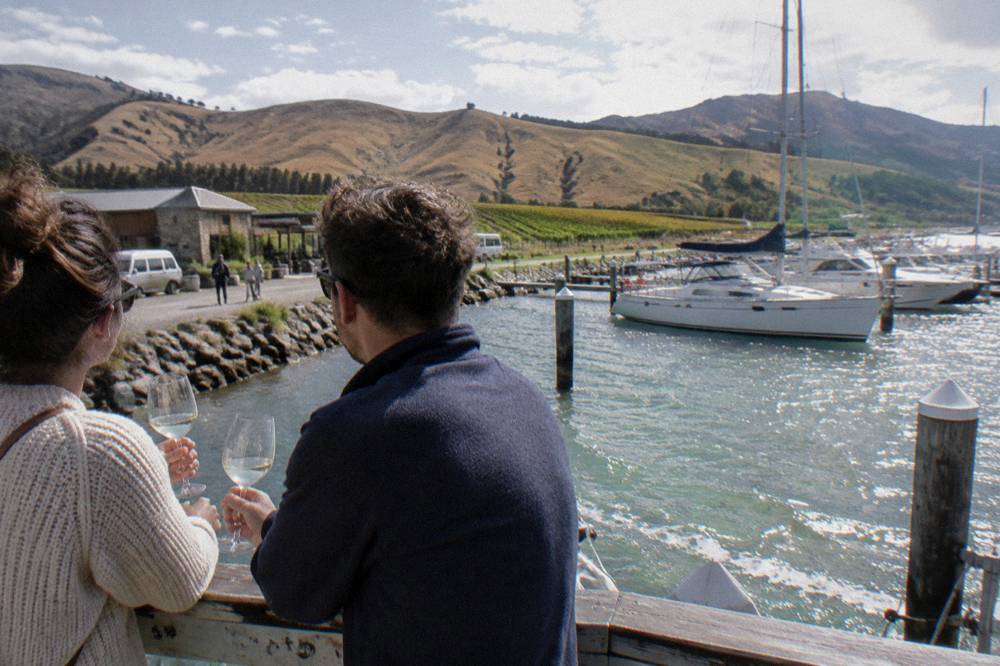
Pacing matters across a full day. Spitting is completely normal at cellar doors, and hosts provide the vessel without a blink, which is the standard move for anyone driving later or tasting through several stops. Eating between stops helps, and lunch is included on six of the tours covered here, including full-day formats where the meal breaks up the afternoon. New Zealand's approach to drinking and driving is strict, and the comfortable answer is a designated driver or a guided tour rather than a rental car shuffled between tasters.
Beyond Sauvignon Blanc, leave room for the region's quieter numbers. Pinot Noir holds 7 percent of Marlborough plantings, Pinot Gris 4 percent and Chardonnay 3.3 percent, and many flights finish on one of these as a contrast to the aromatic whites. The 2026 Marlborough Wine Show judged more than 500 wines and awarded 70 golds, with the chief judge calling 2026 "a stellar vintage", so the wider lineup has real depth for a curious afternoon. Travellers sorting the logistics can start with how to visit wineries in Marlborough on a wine tour.
The Afternoon of Wine format from Jade Tours suits this exploratory mood: four hours from Blenheim, from $112 per person, rated 4.9 across 75 reviews, with tastings included across three wineries and an 18-year minimum age stated.
That covers the glass, the style and the ground it grows in. The one-sentence answer to carry into any Marlborough tasting room: the wine is dry, the aromatics are the region's signature, and the fun is in tasting how much variation one grape can carry across a single valley.
Common Questions About Marlborough Sauvignon Blanc
Is Marlborough Sauvignon Blanc Dry Or Sweet At A Winery Tasting?
Marlborough Sauvignon Blanc is made dry, with fermentation running until the natural grape sugars are consumed. The passionfruit and gooseberry aromas that can read as sweetness come from the region's cool-climate fruit, not from sugar in the glass.
Do Marlborough Tours Pour Sweeter Sauvignon Blanc Styles?
Tours pour the standard dry styles, from lean and herbal to riper tropical expressions, all fermented to dryness. A few producers also make barrel-aged or wild-ferment versions with more texture, but these remain dry wines.
Why Does Dry Marlborough Sauvignon Blanc Taste Sweet To Some People?
Aroma and flavour are processed together, so a wine that smells intensely of ripe tropical fruit is perceived as sweeter than it is. Marlborough's cool nights and long sunshine hours produce exactly those aromatic compounds, which is why the effect is stronger here than in warmer regions.
Are Tastings Included On Marlborough Wine Tours?
Tastings are included on 24 of the 32 tours covered here, with one tour pouring morning-only and the self-guided bike hire leaving cellar door fees for you to pay at each stop. Tour pages list what is included per format.
What Should A Beginner Ask At A Marlborough Tasting Room?
Ask where the fruit was grown and how the wine was fermented. The first question reveals the subregion differences between Wairau, the Southern Valleys and the Awatere, and the second explains texture differences between steel-fermented and barrel-influenced styles.
Do Blenheim And Picton Tours Show Different Sauvignon Blanc Styles?
The wines are the same Marlborough styles from both start points, since most cellar doors sit in the Wairau Valley near Blenheim. Tours from Picton start at the port and reach the same Wairau Valley cellar doors.